ABOUT
WHO iS STEViE ZiPP?

A musical biography and review of CAMOUFLAGE
(gestation 2019-2022)
ZiPP came into being over time.
It all started with (the other Stevie) Wonder’s ‘My Cherie Amour’ and ‘For Once In My Life’ – two smash hits that fired the naïve and ignorant imagination of a lost young boy in the suburbs of north London, seeding the idea that maybe he could sing, and one day play, and one day write.
Beatles, Kinks, Doors and Canned Heat all added to the mix, with Carlos and his Santana troupe emerging influences as the boy became a less naïve and musically self-educated late teenager.
Then the first band – Percy Butters and the Filaries – imaginary stars in the firmament of a sixth-form common room in East Finchley.
One-gig-wonders.
Through three years of University with Bowie changing the colours, ZiPP coalesced into a more defined yet still ethereal aspiration until the formation – in the throbbing metropolis of Grimsby – of THE FAST BOYZ.
Featuring ex-punketeer and animal-on-drums Steve Pearce, a man-with-no-rhythm Mick Rudge on guitar, the legendary and very Glaswegian Russell Russell Clink Clink on bass, and the first physical manifestation of STEVIE ZiPP, on vocals and congas.

A repertoire that included manic-paced delivery of covers, plus ZiPP-written originals (including the startling ‘She’s My Hero’), the band played their first power-gig at the Ross Club in c1980.
Jaws dropped. Professional careers skewed off-course. Parents despaired. One year on and the band dispersed, due to musical differences (Pearce could play the drums; Rudge couldn’t play his expensive new guitar and went off to be a teacher in a private girls’ school; Clink Clink went back to Glasgow to pursue a career in grime; ZiPP continued writing while Grimsby’s frozen food industry remained the compelling day-job).
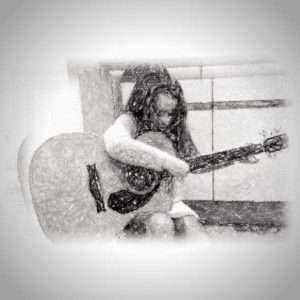
Responding to a small Ad in the Yorkshire Post, ZiPP went off to a curious audition in a house in Scunthorpe, playing interpretations of Buddy Holly to a small audience of selectors for a then unnamed new band.
More jaws dropped. But ZiPP was in.
Adding vocals for what started as PURR, briefly a thing around the coast of Lincolnshire and South Yorkshire in the early 1980s, the band quickly morphed into THE PLATiNUM BAND (with ZiPP now on bass). A rather more successful and enduring combo featuring one iAN HOUSLEY on lead guitar and studio engineer distraction.
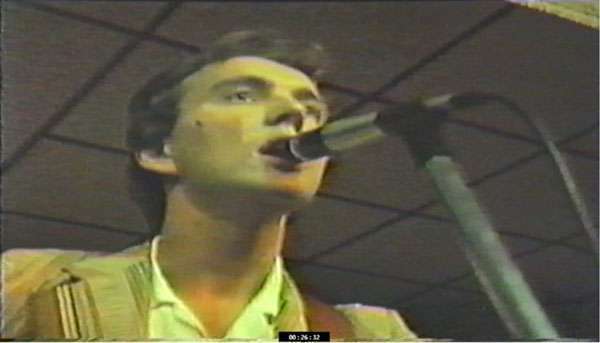
Duetting with the gorgeous Jan Maw on the riotous ‘Telephone Baby’, the hip-thrusting ‘Do What You Did When You Did What You Done Last Night’, and many more… the band rendered hundreds of audiences senseless with their clever and expressive repertoire of classic hits performed with few inhibitions.
Video exists; one day, it may emerge here.
The band worked across what was then a thriving working men’s / miners’ welfare club scene in northern England spanning Lincolnshire, Yorkshire, and the now demised Humberside, soon adding more originals to the set lists (always three sets, delivered between rounds of bingo). Big audiences, roused beyond their expectations, including at the legendary Wath-on-Dearne WMC, where the writing on the changing room wall advised that ‘if you are a comedian and you can sing, sing’. No prisoners; all very Darwinian.
During this period, a new manifestation of ZiPP emerged – the performer.
By now, ZiPP was writing – and recording – a range of music that spanned across an eclectic field, similar to that which the performing ZiPP and the Platinum Band were energetically delivering; good guitar pop, strong rock, KB-based hits, power ballads.
Much of his recorded solo work of this period would later become integral to ‘The Lost First Album’ – another coming attraction for this site.
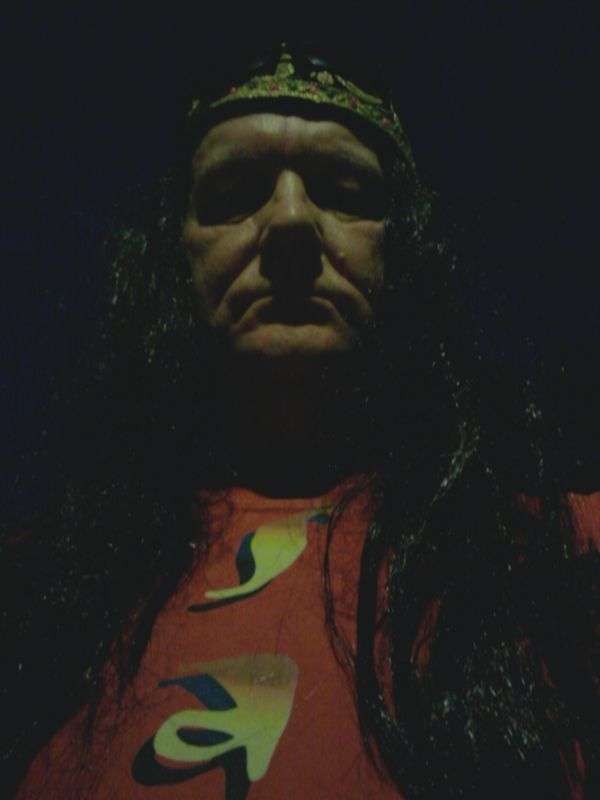
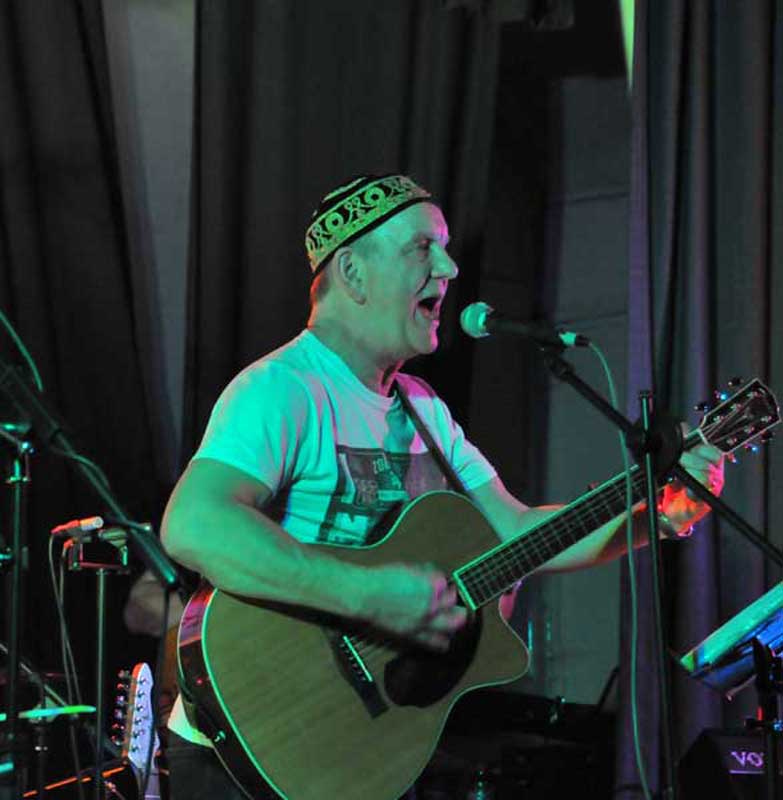
The hat became a feature too – originally a brown bowler that was stolen at a gig in Doncaster. After that loss, the sparkly fezz appeared, and has been a ZiPP trademark ever since.
So, THE PLATiNUM BAND – featuring the outrageous solos of iAN H, the wild trance-dance and guitar of John ‘crazy legs’ Parry, the power-drumming of Alex Maw, the keyboard and succulent vocals of Jan Maw, the chaotic-control desk of Martin Housley – and the get-down-to-the-bass and rich five-octave vocals of ZiPP.
What a band. 100+ gigs and it faded – as did the circuit that witnessed it.
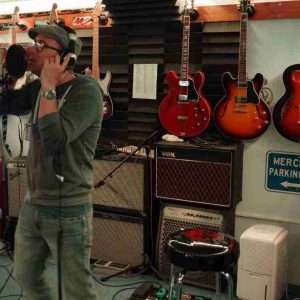
So then ZiPP moved south, to London, and later west to the USA where, after a brief sojourn with FUSiON, playing Latin jazz at the legendary Blue Note in NYC, ZiPP arrived more-or-less fully formed as he encountered the peerless Vic Pepe, who had just moved into Westfield, NJ, to set up his own recording studio. Hot from producing Alice Cooper’s ‘comeback’ album (look it up), Vic was ready to develop his own recording methodologies and musical range.
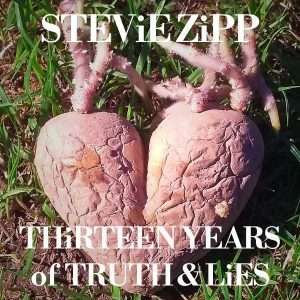
He did not quite anticipate ZiPP, though, who turned up in a smart business suit direct from Manhattan one sunny evening and booked in for what ultimately became the second album, ‘Thirteen Years of Truth and Lies‘.
As the album notes explain:
‘Thirteen Years of Truth and Lies is a collection of original songs performed with emphasis on melody, vocal harmony, rhythmic interest and developed production, with an eclectic underpinning of Rock, Jazz, Latin and Pop. Something for everyone in fact.’
What Vic was able to do was remarkable, and he is, in many ways, a remarkable guy. Vic took the songs, the ideas, the playing, the singing, the hissy fits – and through patience, skill, and immense musicality, turned it all into an album which, while born in the ’90s, stands up today as good, strong, lyrically and musically interesting pop music.
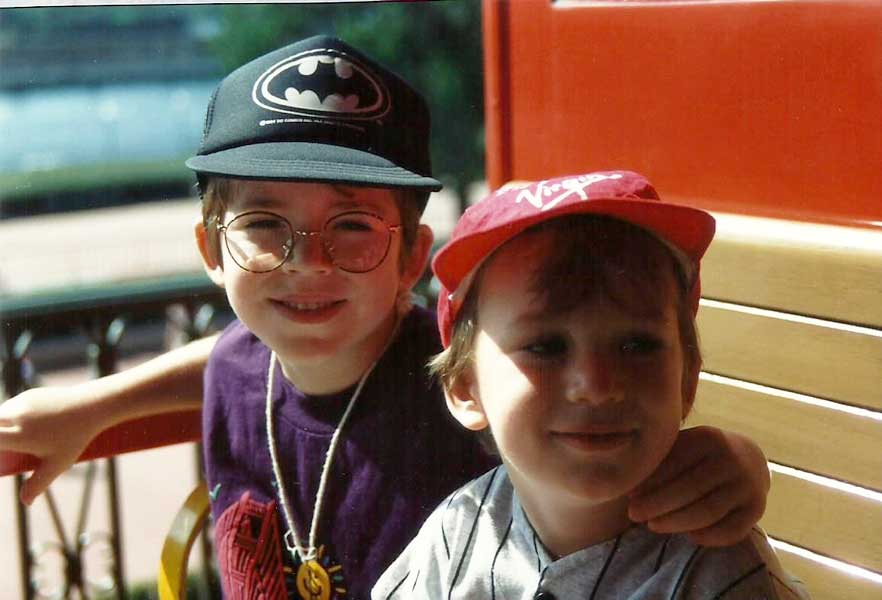
It also features the first recorded contributions of the Martin brothers, Tom O and Daniel CS (and sister Millie too), many years later to feature so effectively on the third album, ‘Camouflage’.
Three years in the USA. Overcoming the ‘difficult second album’ problem by publishing it first. Living life’s experiences and building up the catalogue of original songs. And then that, too, was over.
Soon after returning to the UK and to London, ZiPP met Phil Honey, a funky bass player. From there, the next manifestation of ZiPP came to pass – with THE ELEVENTH HOUR.
Busting out the hits through various world tours of Hertfordshire and Buckinghamshire, hitting the heights at the prestigious CroxFest, at Kop Hill, at BledFest, and most of the pubs in a 30-mile radius, The Eleventh Hour are now into their second decade and are still giving it large whenever the opportunity arises. ZiPP is out front, doing what he does.
Just before the COVID hiatus, ZiPP had started work on the new album (only 25 years after the second album ‘Thirteen Years…’ No need to rush it) and had also set about with iAN H to organise, re-master and generally make the best of a bunch of recordings constructed on various technologies over earlier decades. The result was the ‘The Lost FiRST Album’ – tracing ZiPP’s development from his early ideas to more ‘recent’ songs that stand up, even if the technology doesn’t do them any favours. Ten sung tales, told with ZiPP’s trademark lyricism, compassion and occasional aggression. And a good dose of idiosyncrasy.
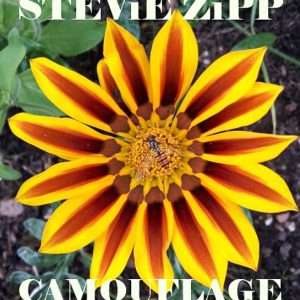
The plan was to complete ‘Camouflage’ – the third album – in 2020. That was before COVID interfered. With such a backlog of material, ZiPP had initially planned a 20-song double-album, but time span and difficulties getting legally into the studio closed down that option.
The slow pace, however, allowed more writing and revision of long-written pieces. From nowhere emerged ‘Middle Aged Man’, ‘Everybody’ and ‘Smoke & Mirrors’ – an ode to the (then) ‘second greatest liar the world had ever seen’. ‘Awake’ arose from some half-composed musical theme of years before, finding its voice with lyrics written in a roadside lay-by just 100 yards from the studio on the morning of the planned recording. The timeless ‘TiME’ – gone dusty in ZiPP’s legendary blue note-book – emerged in all its frenzied glory, so much a song for now, with Tom O’s power-lead vocal and keyboard mendacity, teamed with iAN H’s rapid-attack rock guitar.
After ‘Smoke & Mirrors’ comes the hauntingly beautiful ‘Out of my Mind’ – blessed with an iAN H solo special, heart-wrenching orchestration and a gorgeous and poignant ghost-vocal from iAN’s daughter, Amy.
Up a gear to a first, and so-far only C&W-inspired number from ZiPP, ‘I Don’t Believe It’, broadening the musical range of the album even further and again – a platform for iAN’s lead-guitar virtuosity.
Then another of the ’new era’ songs – ‘NiCE’ – a lyrical enigma within a 3D allegorical puzzle, reversing a chord progression originally utilised on ‘The Reason Why’ (on both ‘Lost First…’ and Thirteen Years…’ – different era versions). Featuring a black-notes-only menacing KB solo from Jacob Allinson, renowned church organ repairman and cousin to Tom and Dan. ‘NiCE’ also features a brief nod to Pink Floyd; one of many pleasant and curious musical surprises on this album.
Thereafter comes the duo of ‘Pick Up The Pace’ and ‘Finalmenté’ – originally conceived by ZiPP as one track with two lives. The pièce de résistance, the Opus Principalis, the Big Kahuna.
PUTP gives meaning to the one-line lyric of AWB’s massive 1974 hit ‘Pick Up The Pieces’ and tells the story of what happened next, musically and lyrically; the break-up, and the pain in trying to get it all back.
It is a story soulfully expressed by Dan CS Martin’s rich lead vocal, with ZiPP in close harmony, and Tom O Martin’s heart-touching sax interludes and woven themes. Founded on ZiPP’s funk-bass melody, PUTP builds to a crescendo that fills your head, fills your room, and fires every classic rock-pop memory all at once. Wild sax. Wild guitar. Wild bass. Wild drums, and throat-rasping vocal. It’s all there. And then, down to one pure note, to take you to another place…
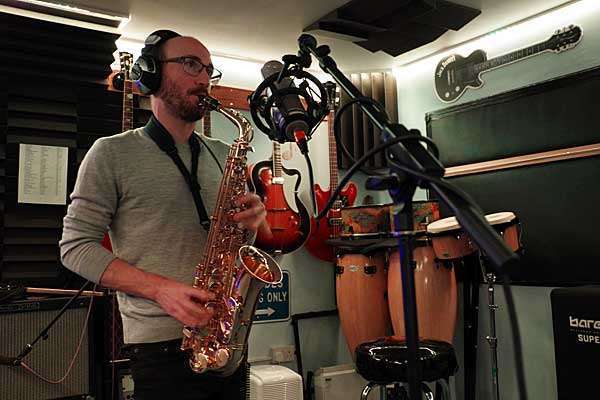
And that other place is somewhere in Latin America, with ZiPP finally giving full vent to his Latin percussion predilections, hinted at in several earlier tracks on Camouflage and finding their home on ‘Finalmenté’.
Built on a four-chord round, the piece builds remorselessly on ZiPP’s tight and punching bass line, first overlaying Tom O’s warm Hammond organ and then teamed with iAN H’s smooth and fat Les Paul. The melody builds to a crash, heralding ZiPP’s 16-bar seven-instrument percussion interlude, which in turn crashes out into a classic organ/guitar call-and-response exchange that builds with percussion as a third lead. Retaining the recording clarity and precision that characterises the whole album, the listener can follow any individual instrument through the cacophony to the tightest, most glorious and fulfilling climax.
And then it is done.
A pause. A silence. And an unexpected ‘epilogo struggente’, a 45-second short story identifying the physical pain of isolation via a voice from the deep south, written in a sixth-form common room in East Finchley, a set of ZiPP lifetimes ago. The harmonious circle is complete.
Ladies, gentlemen, and every other variation on the theme, I give you STEViE ZiPP and his most recent offering: CAMOUFLAGE.
Andreas O’Musicalles
June 2022